Following your therapy plan
Physiotherapists, occupational therapists and speech and language therapists set the goals. Care givers encourage the exercises and techniques they recommend, following written guidance, and never change or add to them.

Stroke support in East Kent
Coming home after a stroke brings relief and new worries at the same time. Our care givers help with the daily tasks that now feel harder, encourage the exercises your therapists have set and give your family steady support. We visit people in Dover, Deal, Sandwich, Folkestone, Hythe and the villages around them.
Care Quality Commission
Rated Outstanding by the CQC
The independent regulator of health and social care in England
Rated Outstanding by the Care Quality Commission
Report published 10 September 2019
Report published 10 September 2019. In July 2023 CQC reviewed the information it holds about us and found no need to reassess our rating.
Read our CQC report (opens the CQC website)Awards
Recognised regionally
homecare.co.uk Top Home Care Providers, South East England
Quick answer
Yes. Many people continue their stroke recovery at home with the right support. Care givers can help with washing, dressing, meals and moving around safely, while encouraging the rehabilitation plan your health professionals have set. Inchwater Home Care plans visits around where you are now, then adjusts them as your confidence and ability change.
No two strokes are the same. Some people need help for a few weeks, others for much longer. Visits start from 30 minutes and we review them with you regularly.
The NHS explains that stroke recovery can involve movement, speech, swallowing, vision, memory and concentration, bladder and bowel control, tiredness and mood. Many people notice weakness or numbness down one side of the body. The NHS guide to recovering from a stroke sets out the therapies that can help.
At home, that might mean a fiddly cardigan button, a kettle that suddenly feels heavy or a word that will not come. Feeling low, anxious or exhausted is common too. These changes deserve patience, not pressure.
Call us as early as you can. With your consent, we talk with you, your family and the ward or community team about the support you will need at home.
A care manager meets you to agree a care plan, including any equipment, exercises and communication tips your therapists have shared.
Care givers help you settle, keep routines steady and encourage practice little and often.
We step back as skills return, or add support if recovery is slower than hoped.
Still in hospital? See how our hospital discharge care helps people settle home safely.
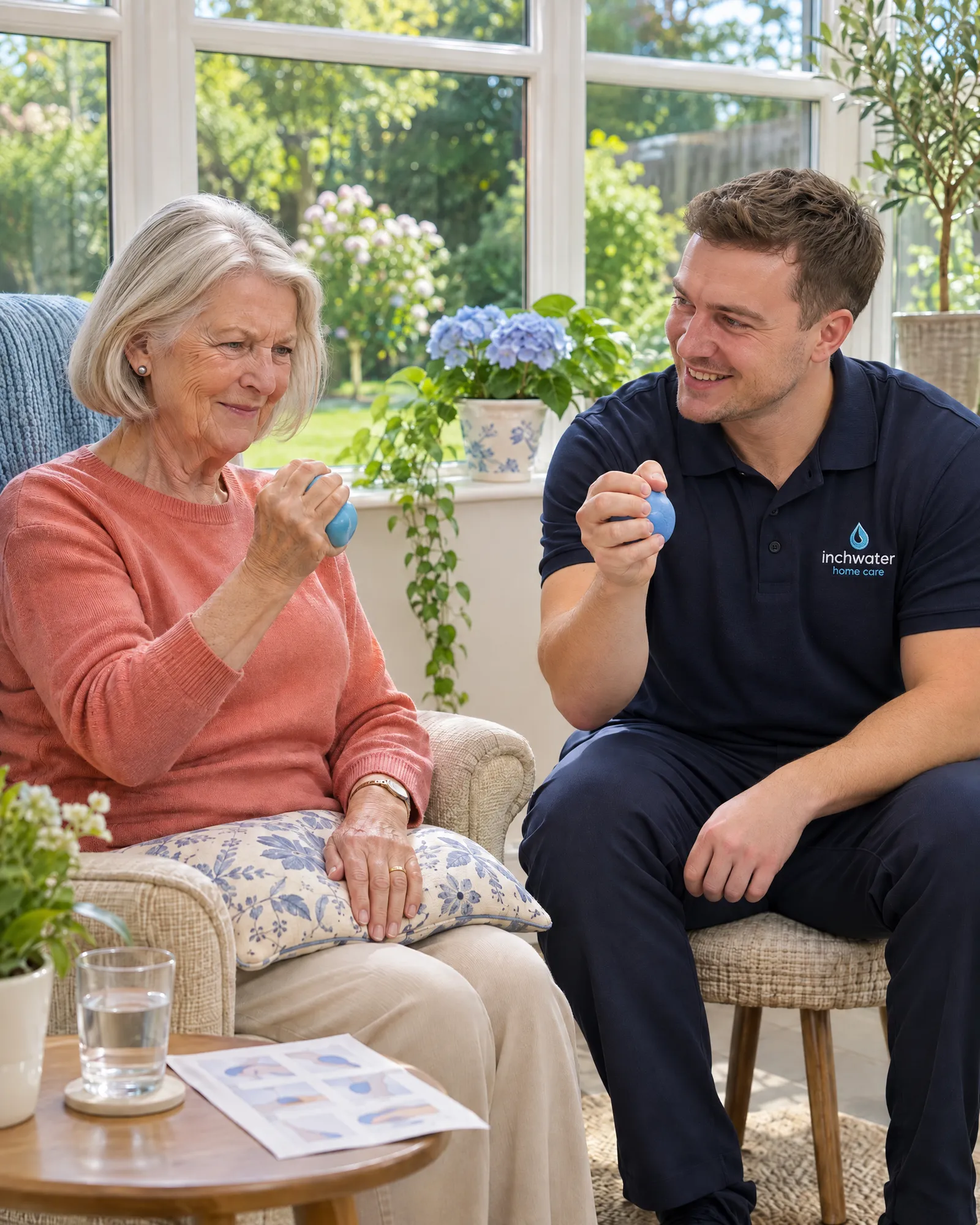
Physiotherapists, occupational therapists and speech and language therapists set the goals. Care givers encourage the exercises and techniques they recommend, following written guidance, and never change or add to them.
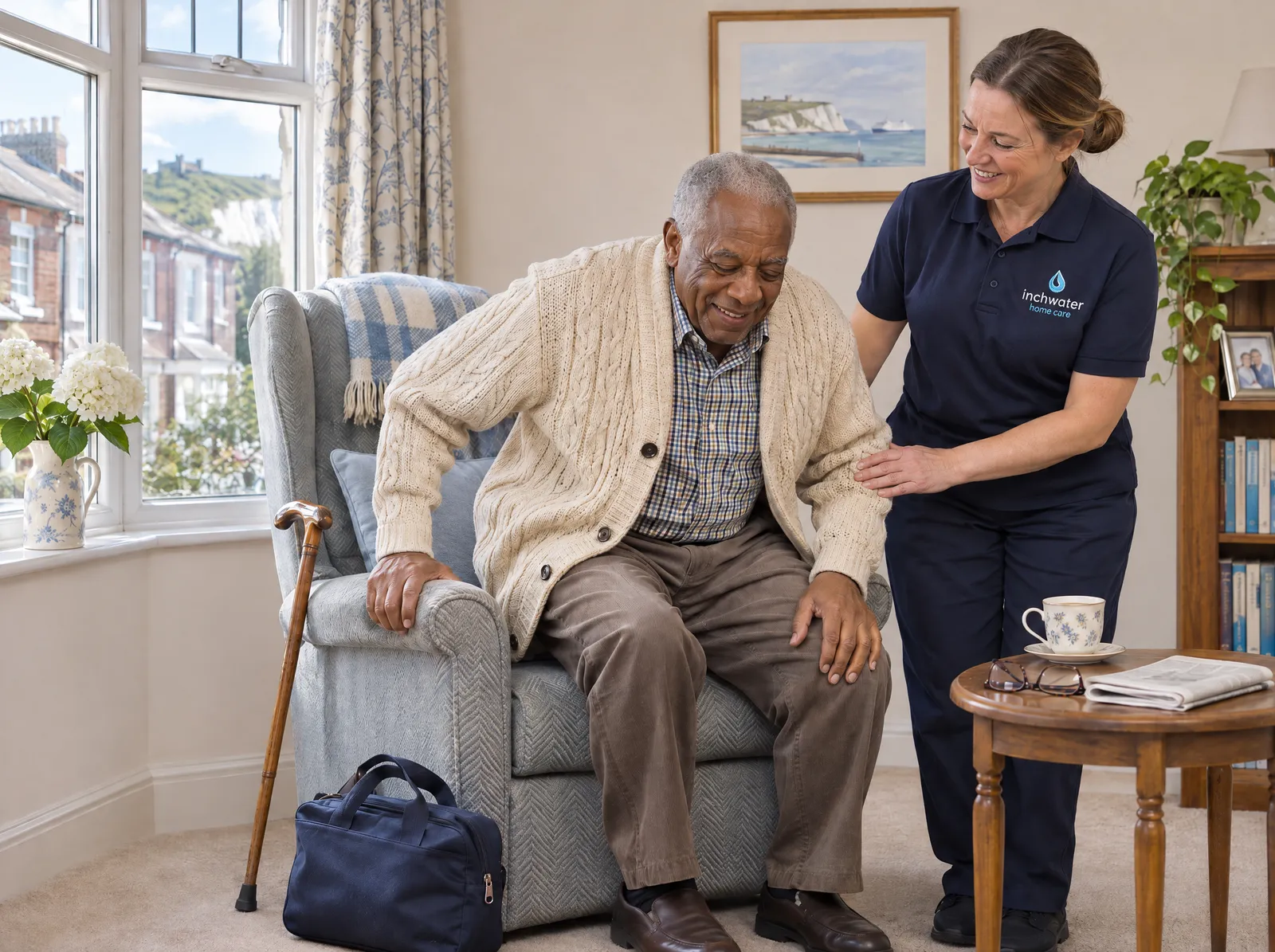
Help with personal care such as washing, dressing and using the toilet, at your pace and with any equipment your occupational therapist has provided. You do what you can and we help with the rest.
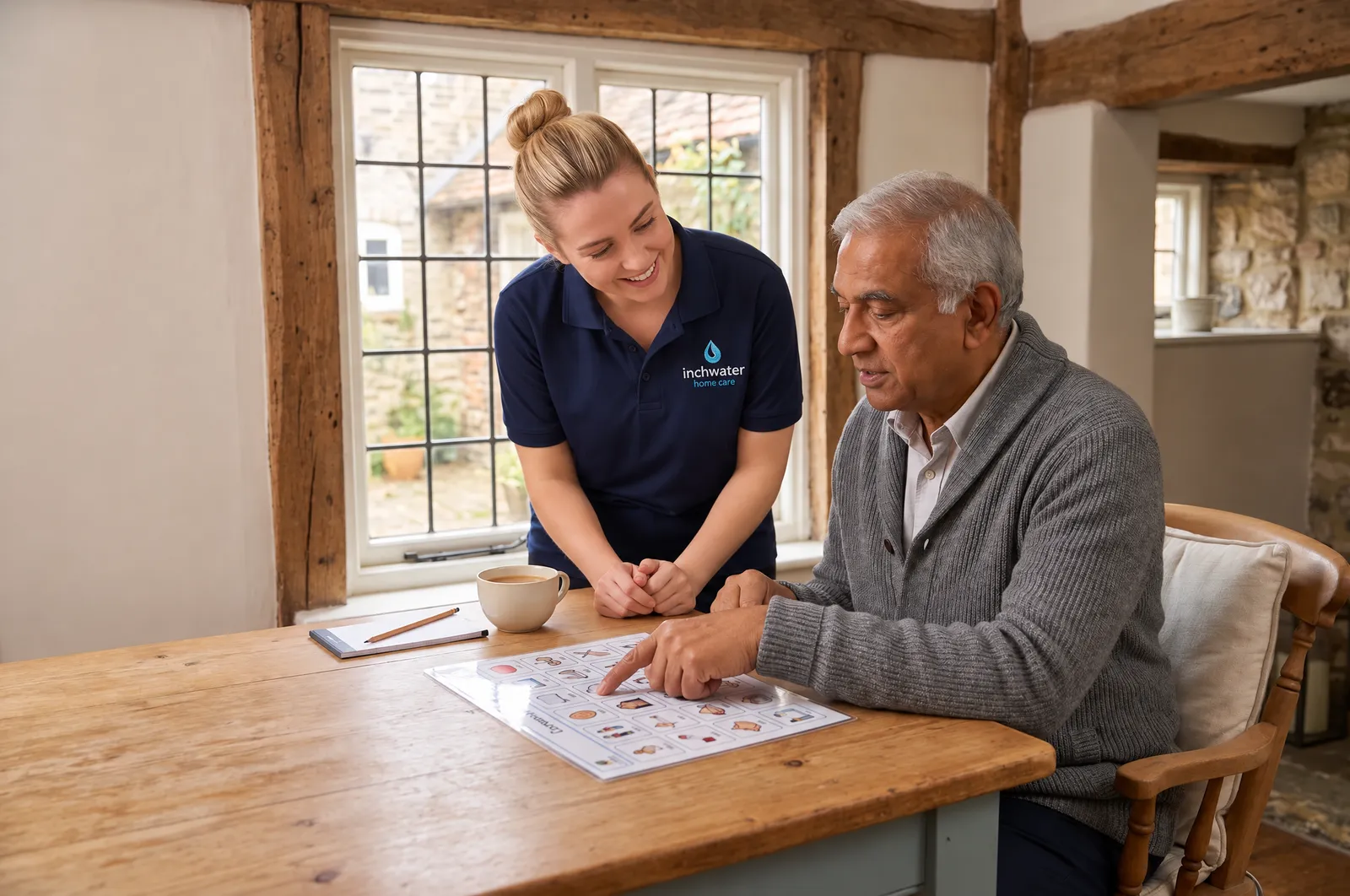
If a stroke has affected speech or understanding, care givers use short sentences, give you time and check they have understood. They use any picture boards or written choices your speech and language therapist suggests.
Care givers prepare food you enjoy and follow any swallowing advice from your speech and language therapist.
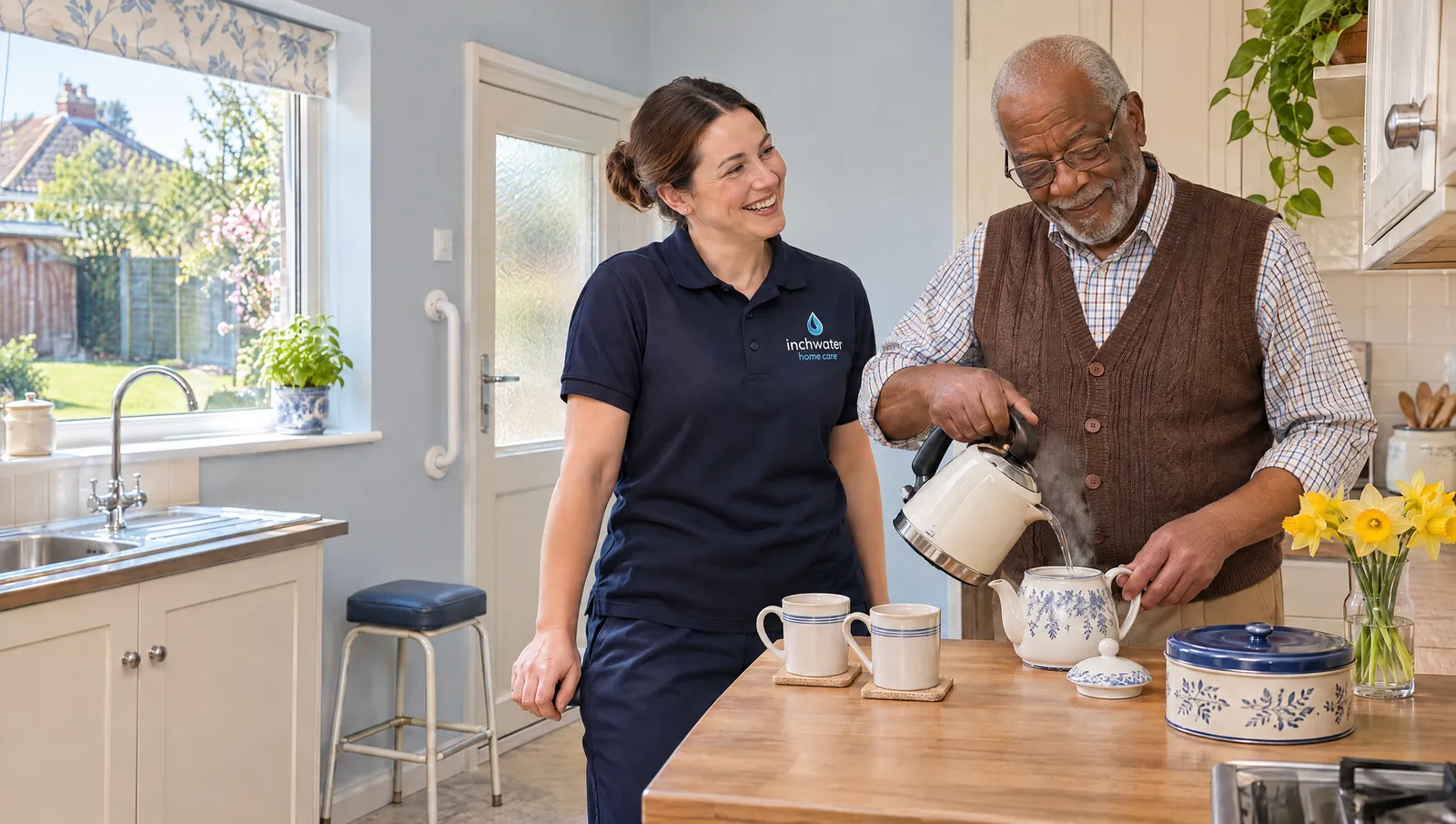
Making your own cup of tea. Walking to the front gate. Writing a birthday card again. Care givers notice progress and help you take the next small step.
Care givers plan harder tasks for your best time of day, build in rest and gently keep an eye on your mood, sharing any concerns with you or your family.
A stroke changes life for the whole family, often overnight. Partners and adult children can find themselves juggling hospital visits, work and worry. We share the load and, with your agreement, families can read visit notes through our family app.
Care givers report changes such as a fall, new weakness or difficulty swallowing to our office, so we can contact your GP or community team with your consent. If they see the signs of a stroke described by the NHS, they call 999 straight away.
For information and emotional support, the Stroke Association Helpline is on 0303 3033 100. Health professionals can make a referral through our information for professionals.
Recovery rarely follows a straight line. Some people move from daily personal care to a weekly visit for shopping and conversation. Others need more help over time. Because we review the care plan regularly, support can be reduced, continued or increased without starting again.
support to settle back home after a hospital stay. Explore hospital discharge care
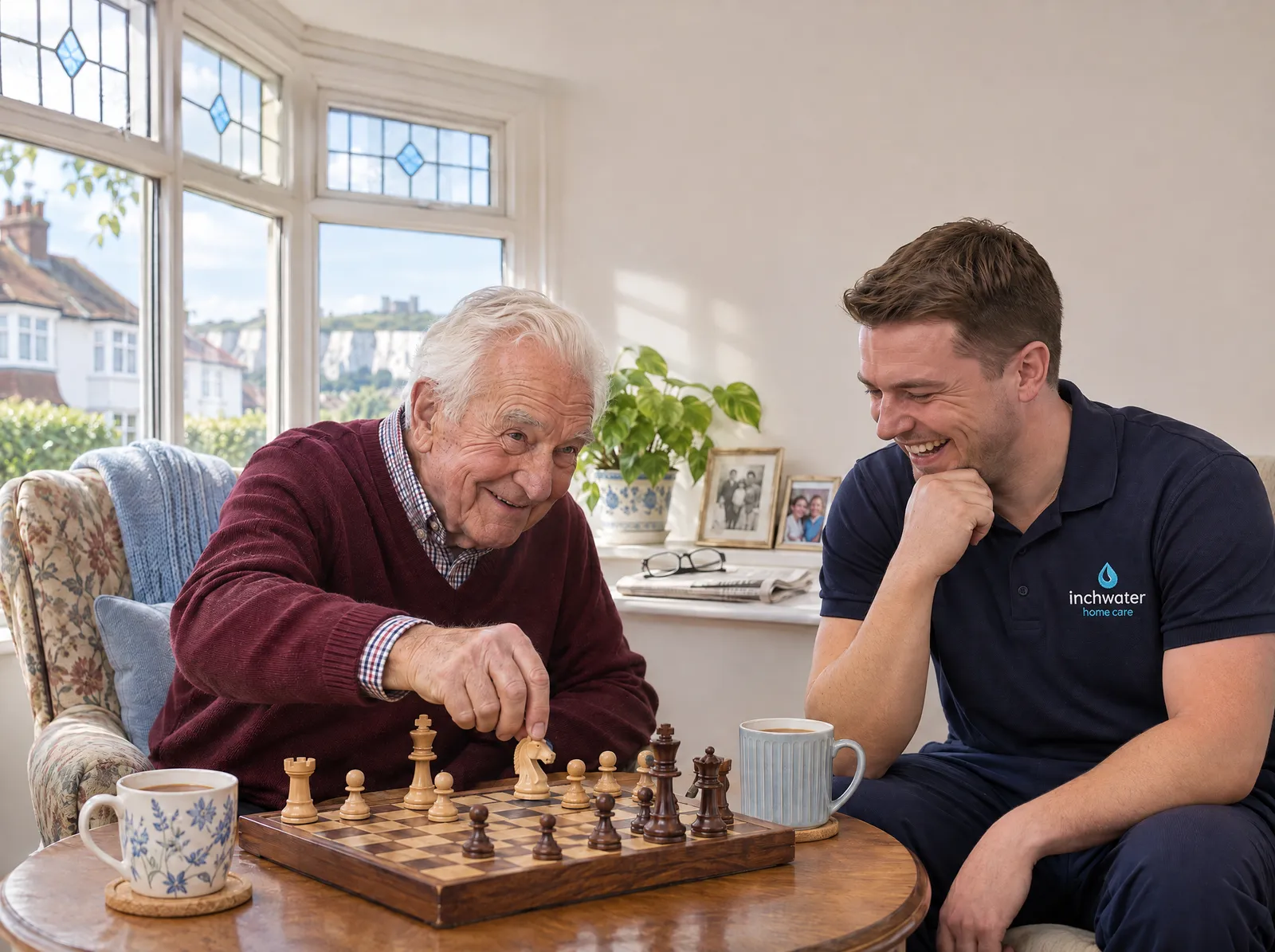
conversation, hobbies and company at appointments. Explore companionship
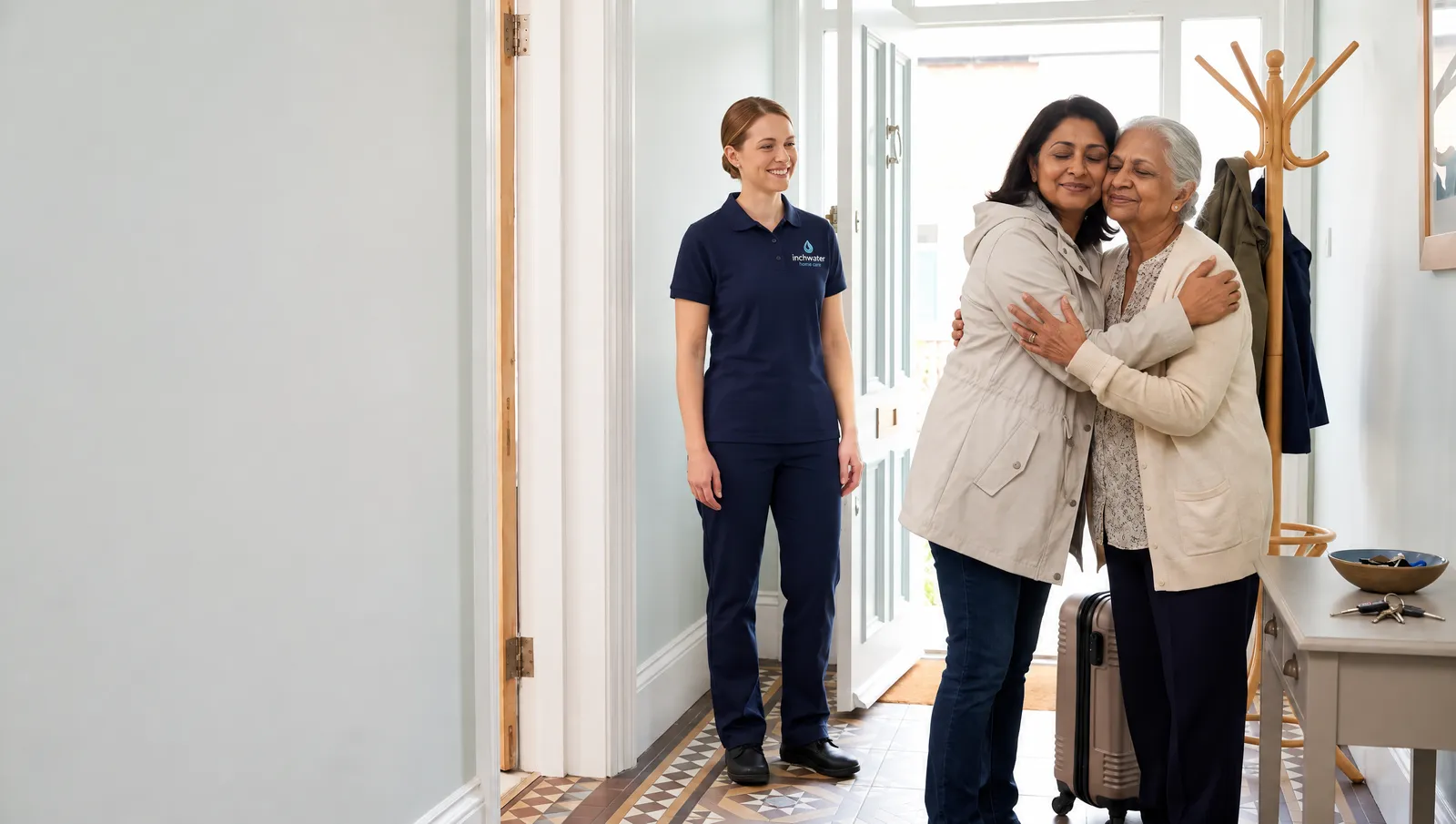
short term cover so a family care giver can rest. Explore respite care
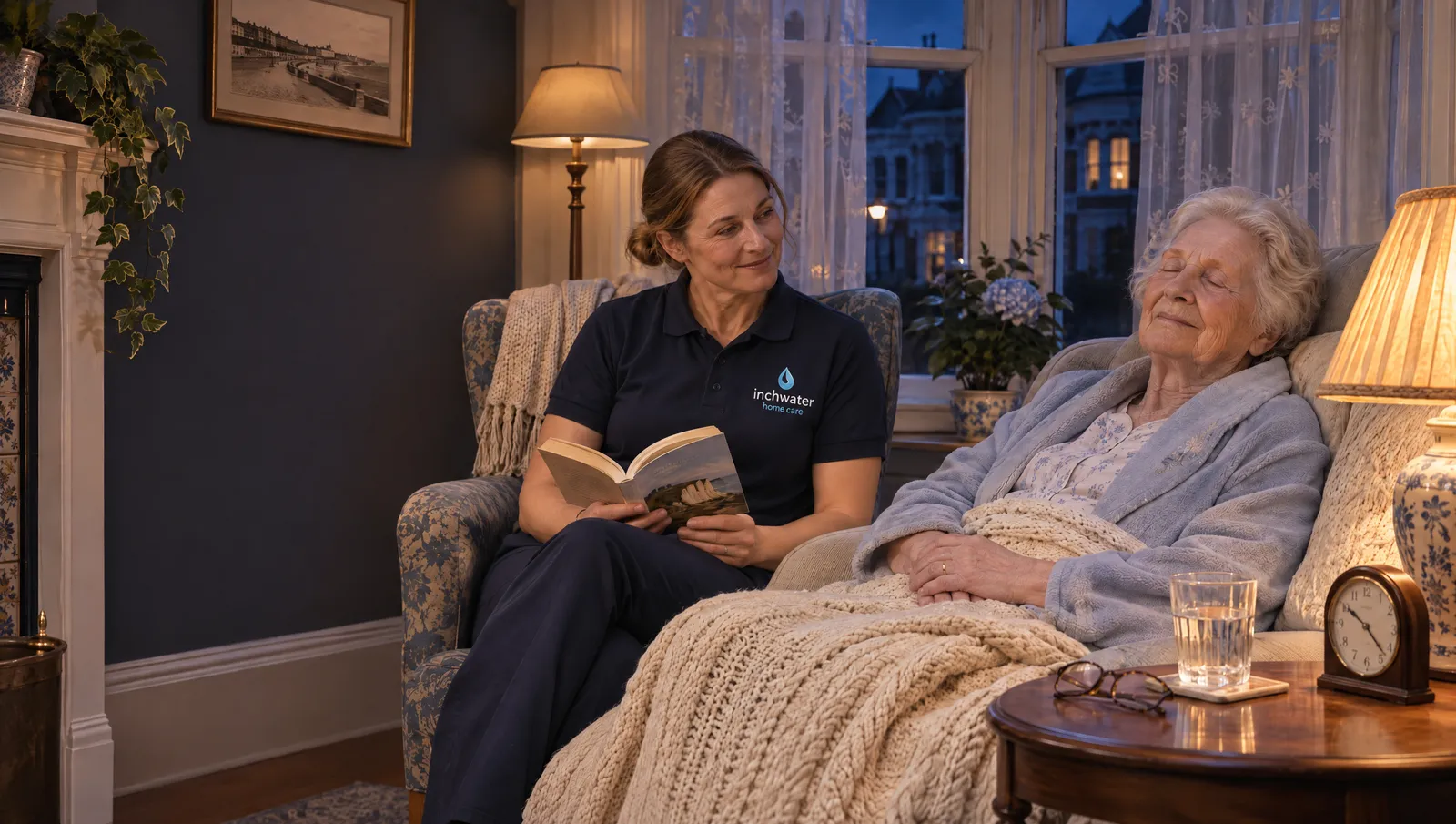
waking and sleeping nights for a settled night. Explore overnight care
It depends on the support needed and care giver availability in your area. Call us as early as you can, ideally before discharge, and we will give you an honest view of when visits can begin.
Yes. Care givers can encourage exercises your physiotherapist or occupational therapist has set, following their written instructions. They will not change the exercises or add new ones.
Care givers slow down, ask one question at a time and use gestures, written words and any aids her speech and language therapist recommends. Over time they learn what works best for her.
Either. Some people need a few weeks of support while they regain skills, others need help for longer. We review the plan with you and adjust it as things change.
Details of stroke specific training will be confirmed here. Every care giver reads your care plan and learns your needs before supporting you.
Care givers use equipment provided by your occupational therapist, in line with your care plan and their moving and handling training.
Tell us a little about what would help and we will call you to arrange a free care assessment.
Sent securely to our care team
A free assessment at home, or before discharge, is the easiest way to begin.